ChromaPalette Logo ChromaPalette Contact Us
Contact Us
Colour palette designer working with harmonious colour schemes on tablet device

Colour Theory for Hong Kong Web Design

Master palette selection, cultural associations, and accessibility standards

Colour theory principles displayed on designer workstation with colour wheel and palette samples

Harmony Rules

Complementary, analogous, and triadic schemes create visual balance in your palettes

Cultural Context

Red means luck, white means mourning, gold means wealth in Hong Kong culture

Accessibility First

4.5:1 contrast ratios ensure your designs work for everyone

Smart Tools

Adobe Color and Coolors generate palettes faster and smarter

Understanding Complementary Colours

Complementary colours sit opposite each other on the colour wheel. Blue and orange, red and cyan, yellow and purple. They create maximum visual contrast and tension. In Hong Kong design, this principle helps brands stand out while respecting cultural preferences. We’ll show you how to use complementary schemes without overwhelming your audience.

Learn about colour harmony

Analogous Palettes for Cohesion

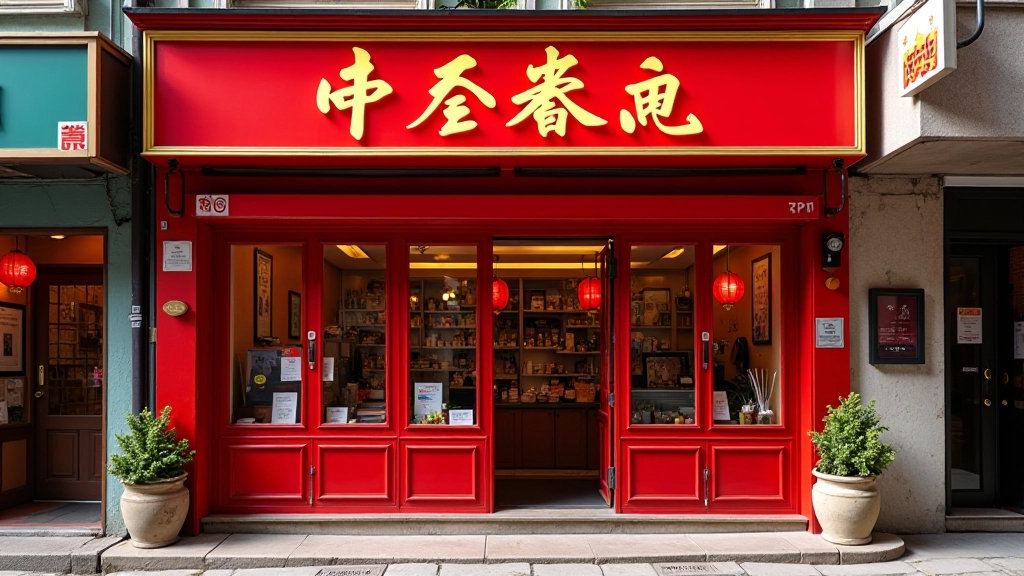
Analogous colours sit next to each other on the colour wheel and feel naturally harmonious. Greens flowing into blues, yellows into oranges. These palettes work brilliantly for creating calm, unified interfaces. Hong Kong’s traditional shops often use analogous colour schemes with deep reds and golds. They’re peaceful, professional, and feel intentional.

Explore analogous design

Triadic Schemes for Energy

Triadic colours are three colours equally spaced around the colour wheel. They’re vibrant, energetic, and balanced. Red, yellow, blue. This scheme works when you want personality and punch. But in East Asian contexts, you’ll want to be thoughtful about which colours you choose because cultural meanings matter. Red is auspicious, but white can mean mourning. Context is everything.

Master triadic colour

Why Colour Matters in Hong Kong Design

Colour isn’t just aesthetic. It’s cultural, psychological, and functional. Hong Kong audiences bring specific expectations and associations to every colour they see online. Red signals good fortune and celebration. Gold means wealth and premium quality. White carries different weight here than in Western markets. And if your text doesn’t have enough contrast against your background, it’s not accessible — period.

We’re here to help you navigate all of this. Whether you’re designing for a local startup, a multinational brand, or anything in between, understanding colour theory in the Hong Kong context makes your work stronger. It’s not about following rules blindly. It’s about making informed choices that resonate with your audience and work for everyone.


Hong Kong skyline at dusk showing diverse colour palettes in urban architecture and neon signage

Ready to Build Better Palettes?

Dive into our guides and learn how to create colour schemes that work beautifully in Hong Kong and beyond.

Start reading now

What You’ll Learn

Colour psychology
Harmony schemes
Cultural meanings
WCAG standards
Adobe Color tips
Coolors mastery

Your Colour Learning Journey

Before

Picking colours randomly

Guessing at accessibility

Missing cultural context

After

Building harmonious palettes

Meeting WCAG standards

Respecting Hong Kong audiences

12

Colour theory guides

7

Cultural deep-dives

100%

WCAG compliant

Resources You Can Trust

We’ve gathered everything you need to understand colour theory and apply it in Hong Kong contexts. Each guide is research-backed and practical. You won’t find vague theory here — just actionable advice that works.

Browse all resources

Stay Updated on Colour Theory

Get the latest guides and tips for building better colour palettes in Hong Kong web design.

Get in Touch